The Ultimate Guide to Laser Hair Removal: Prep, Process, and Results
Posted on 4/6/2026 by The Facial Center |
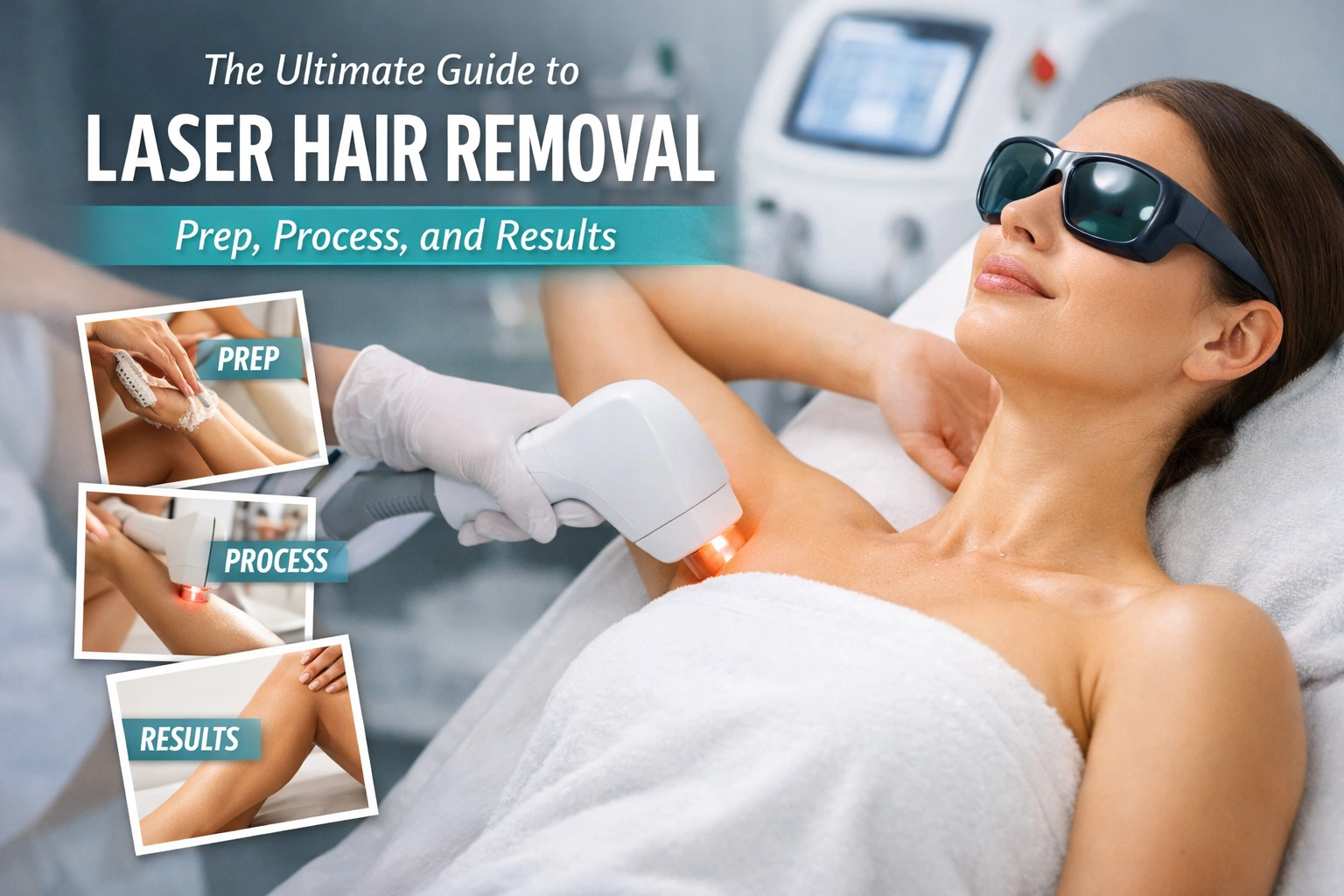 Laser hair removal is one of the most popular ways to reduce unwanted body and facial hair for long-lasting, smooth results. If you've been relying on shaving or waxing and want a more lasting solution, this treatment might be exactly what you're looking for. At The Facial Center, our team in Charleston and Teays Valley, WV helps patients understand how laser hair removal works so they can make a confident, informed decision. Laser hair removal is one of the most popular ways to reduce unwanted body and facial hair for long-lasting, smooth results. If you've been relying on shaving or waxing and want a more lasting solution, this treatment might be exactly what you're looking for. At The Facial Center, our team in Charleston and Teays Valley, WV helps patients understand how laser hair removal works so they can make a confident, informed decision.
In this guide, we’ll walk you through the science behind the treatment, how to prepare, what each session feels like, and the kind of results you can realistically expect.
On This Page
How Laser Hair Removal Works
Laser hair removal uses concentrated light energy to target melanin, the pigment inside individual hair follicles. When the laser pulse reaches the follicle, the light converts to heat and damages the follicle’s ability to regrow hair. The surrounding skin remains unaffected because the laser is calibrated to focus specifically on the hair’s pigment rather than the tissue around it.
Here’s the key detail most people don’t realize: hair grows in cycles, and only follicles in the active growth phase (called anagen) respond well to laser energy. At any given time, a portion of your hair is resting or shedding. That’s why a single session can’t treat every follicle, and multiple sessions are needed to catch each one during its active phase.
Most patients see a significant reduction in hair growth after completing a full series of treatments. Results tend to be long-lasting, though occasional maintenance sessions can help address any hair that gradually returns.
Preparing for Your Treatment
Good preparation makes a real difference in your results and comfort level. In the weeks leading up to your appointment, stop waxing, plucking, and threading the treatment area. These methods remove the hair root entirely, and the laser needs that root intact to work.
Shaving is fine and actually recommended the day before your session. It removes hair above the surface while leaving the follicle in place below the skin.
Limit sun exposure and avoid tanning beds for at least two weeks before treatment. Tanned or sunburned skin increases the risk of irritation and can affect the laser’s precision. If you use self-tanning products, discontinue them well in advance.
On the day of your appointment, arrive with clean skin in the treatment area. Skip lotions, deodorants, and makeup on the area being treated. Your provider will review any additional guidelines based on your skin type and the specific area you’re addressing.
What to Expect During and After Each Session
During treatment, your provider moves a handheld laser device across the skin in the targeted area. You may feel a quick snapping sensation with each pulse, similar to a rubber band lightly flicking against the skin. Most patients find it very tolerable. Sessions on smaller areas like the underarms or upper lip can take as little as 10 to 15 minutes, while larger areas like the legs or back may take closer to an hour.
Mild redness and slight swelling are common right after treatment and typically resolve within a few hours. Applying a cool compress and aloe-based gel can help with comfort. Avoid hot showers, saunas, and intense exercise for about 24 hours post-treatment.
Over the next one to three weeks, treated hairs will gradually shed on their own. This is a positive sign that the follicles were successfully targeted. Continue shaving if needed between sessions, but avoid waxing or plucking. Daily sunscreen on exposed treatment areas is essential throughout your treatment plan.
Most plans include six to eight sessions spaced about four to six weeks apart, depending on the treatment area and your individual hair growth patterns.
Who Is a Good Candidate for Laser Hair Removal?
Laser hair removal works best on individuals whose hair contains enough pigment for the laser to detect. Historically, the strongest results have been seen in people with darker hair and lighter skin. However, advances in laser technology have expanded the range of skin tones that respond well to treatment.
Very light blonde, red, gray, or white hair can be more difficult to treat because these shades contain less melanin. During a consultation, your provider can evaluate your specific hair and skin type to set realistic expectations.
If you currently rely on other hair removal methods, you can still transition to laser. Just stop any technique that removes the root–such as waxing or threading–at least four weeks before your first session. Shaving in between appointments is perfectly fine.
Patients who are pregnant, taking certain photosensitive medications, or dealing with active skin infections in the treatment area should wait until those factors are resolved before beginning a treatment series. Your provider will discuss any concerns during your initial consultation.
Smooth Skin Starts Here
Laser hair removal is one of the most effective ways to reduce unwanted hair and simplify your routine for the long term. If you’re ready to learn whether this treatment fits your goals, The Facial Center in Charleston and Teays Valley, WV is here to help. Reach out to our team or call 304-205-6123 to schedule a consultation at either of our locations.
Frequently Asked Questions
How many laser hair removal sessions will I need?
Most patients need six to eight sessions spaced four to six weeks apart. The exact number depends on the treatment area, your hair type, and how your body responds to each session.
Is laser hair removal permanent?
Laser hair removal provides long-lasting reduction, but it’s not always 100% permanent. Most patients experience a significant decrease in hair growth, and any hair that does return tends to be finer and lighter. Occasional maintenance sessions help keep results consistent.
Does laser hair removal hurt?
Most people describe the sensation as a quick snap, similar to a rubber band lightly flicking the skin. Sensitivity varies depending on the area being treated, but the majority of patients find it very manageable.
Can I shave between laser hair removal sessions?
Yes. Shaving is the only hair removal method recommended between sessions because it leaves the hair root intact beneath the skin. Avoid waxing, plucking, or threading, as those methods remove the root the laser needs to target.
What areas of the body can be treated with laser hair removal?
Laser hair removal can be performed on most areas of the body, including the legs, underarms, bikini line, back, chest, arms, and face. Your provider will help you build a treatment plan based on the areas you’d like to address.
|
|