Post-Pregnancy Skin Rejuvenation: Treatments That Help You Feel Like Yourself Again
Posted on 7/13/2026 by The Facial Center |
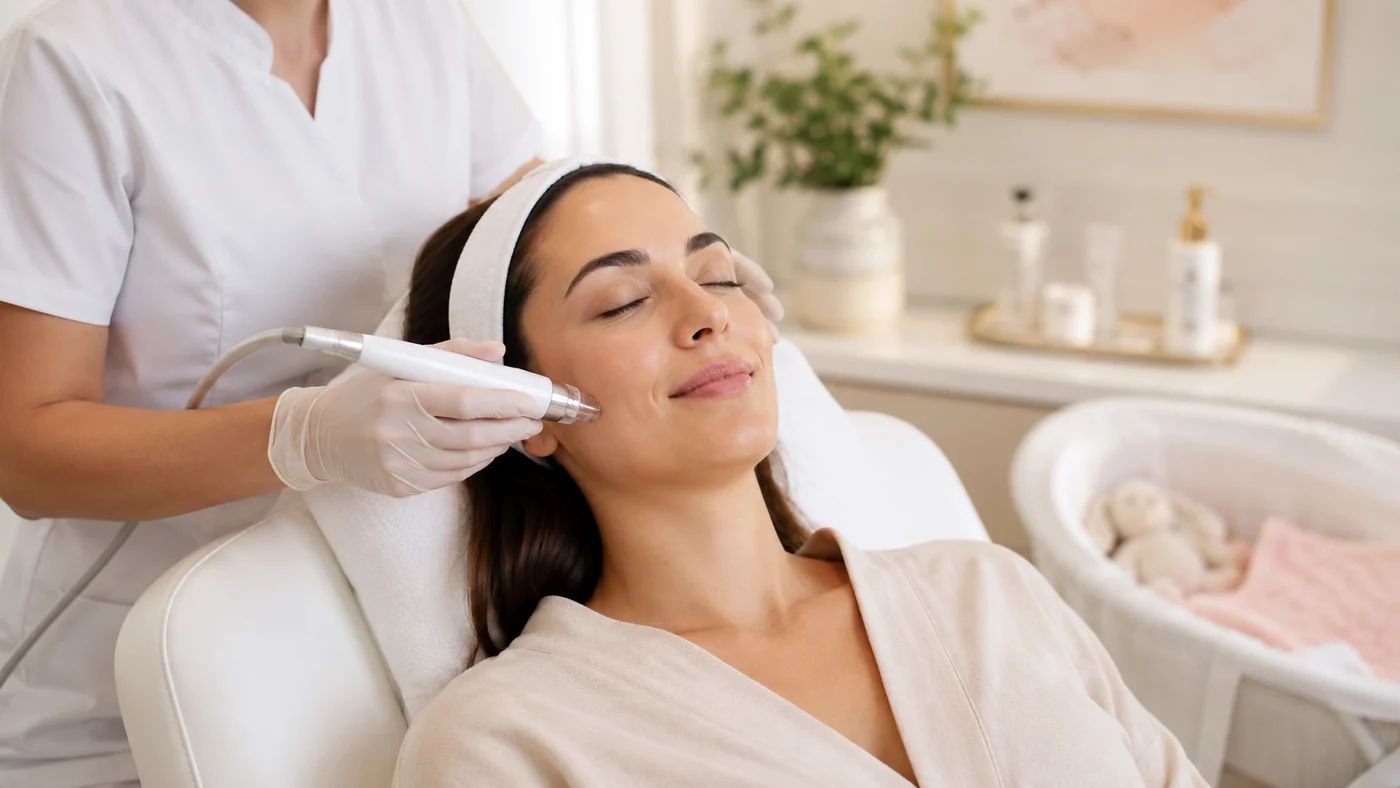 Post-pregnancy skin rejuvenation is one of the most common topics new mothers in Charleston, WV bring up once life with a newborn starts to settle into a rhythm. Pregnancy reshapes your skin in ways most people don’t fully anticipate, leaving behind melasma patches, stretch marks, unexpected breakouts, dullness, or a loss of firmness that wasn’t there a year ago. The encouraging news is that thoughtful professional treatments paired with a steady at-home routine can help your skin look brighter, firmer, and more like yours again. Post-pregnancy skin rejuvenation is one of the most common topics new mothers in Charleston, WV bring up once life with a newborn starts to settle into a rhythm. Pregnancy reshapes your skin in ways most people don’t fully anticipate, leaving behind melasma patches, stretch marks, unexpected breakouts, dullness, or a loss of firmness that wasn’t there a year ago. The encouraging news is that thoughtful professional treatments paired with a steady at-home routine can help your skin look brighter, firmer, and more like yours again.
At The Facial Center, we work with mothers from across the Kanawha Valley who want a gradual, realistic plan for getting their confidence back. This guide walks through what changes during pregnancy, the post-pregnancy concerns we see most often, and the treatments that address them. You can also explore our full post-pregnancy skin rejuvenation services for a deeper look at the options we offer.
On This Page
How Pregnancy Affects Your Skin
Pregnancy is a full-body event, and the skin is one of the largest organs along for the ride. Surges in estrogen and progesterone increase melanin production in many women, which is why dark patches called melasma can appear on the cheeks, forehead, and upper lip. Rapid stretching of the abdomen, hips, breasts, and thighs strains the dermis and can cause stretch marks where collagen and elastin fibers break apart.
Increased blood volume changes how your skin looks day to day, while postpartum hormonal shifts (and sleep deprivation) often trigger breakouts and dullness once the baby arrives. None of this means anything is wrong. It simply means your skin has been through a major biological event and may need extra support to recover the way you want it to.
Common Post-Pregnancy Skin Concerns
The questions we hear most often in our Charleston and Teays Valley offices tend to circle a handful of changes. Recognizing what you’re actually dealing with is the first step toward addressing it effectively.
Melasma and Hyperpigmentation
Sometimes called the “mask of pregnancy,” melasma shows up as brown or grayish patches, usually on the cheeks, bridge of the nose, forehead, and above the lip. Sun exposure makes it worse, and it can linger for months or longer after delivery. Treatment usually involves a combination of professional procedures and a strict daily SPF habit.
Stretch Marks
Stretch marks form when the skin stretches faster than its collagen network can keep up. Newer marks often look pink, red, or purple. Over time they fade to silvery white, which is the harder stage to treat. Earlier intervention generally produces better results, but treatments like microneedling and certain energy-based devices can still soften the appearance of older marks. Our stretch mark reduction treatment page outlines what to expect.
Postpartum Breakouts and Dullness
Hormones don’t snap back the day the baby is born. Many new mothers see acne flare-ups in the months that follow, particularly along the jawline and chin. Lack of sleep, dehydration, and skipped skincare routines (understandably) compound the issue, leaving skin tired and uneven.
Loss of Firmness and Tone
Areas that stretched the most during pregnancy can feel softer or less toned afterward. While time and core recovery help, professional treatments that stimulate collagen production can make a meaningful difference in skin texture and elasticity.
Professional Treatments to Consider
There’s no single treatment that addresses every post-pregnancy concern. The most effective approach usually combines a few procedures, sequenced over several months, with a home routine that supports the results. Below are the options we most often recommend.
Hydrafacial MD
A Hydrafacial MD treatment is one of the gentlest and most versatile starting points for post-pregnancy skin. It cleanses, exfoliates, extracts, and hydrates in a single visit, using a vortex tip to deliver serums while removing dead skin and debris. It’s a strong choice if you want to refresh dull skin, ease back into professional skincare, and build a sustainable monthly rhythm before considering more involved options.
Microneedling
Microneedling uses very fine, sterile needles to create controlled micro-channels in the skin. This triggers the body’s natural healing response, which boosts collagen and elastin production over the weeks that follow. For new mothers, microneedling is often the workhorse treatment because it can address several concerns at once: stretch marks, mild scarring, uneven texture, and loss of firmness. A series of three to six sessions, spaced four to six weeks apart, is typical for noticeable change.
Stretch Mark Reduction
Stretch marks are notoriously stubborn, but they aren’t hopeless. Targeted plans often combine microneedling with topical actives and, in some cases, complementary therapies. Newer marks generally respond faster than older silvery ones, which is why we encourage patients not to wait years to ask about options. Our team will assess the color, age, and depth of your marks before recommending a plan.
VI Peel and Brightening Treatments
For patients dealing with melasma, post-inflammatory pigmentation, or general dullness, the VI Peel can lift discoloration and improve overall radiance. Peel strength and formulation are matched to your skin type and your stage of recovery. We’re cautious here, especially for patients who are still breastfeeding, and adjust formulations accordingly.
When to Start Treatments After Pregnancy
Timing matters more for some treatments than others. As a general rule, the gentler the procedure, the sooner it’s appropriate. A facial focused on hydration and exfoliation can typically be enjoyed within a few weeks of delivery once you’ve had your six-week clearance from your OB. More intensive treatments, including medium-depth peels, certain lasers, or anything that may require specific topical agents, are generally postponed until breastfeeding is complete.
Microneedling sits in the middle. Many providers (ourselves included) prefer to wait until a patient is finished breastfeeding before starting a microneedling series, primarily because some of the serums and growth-factor products commonly applied during treatment haven’t been well studied in nursing mothers. When you book a consultation, we’ll talk through where you are in your postpartum journey and tailor the timing accordingly. Our providers take pregnancy and breastfeeding status seriously and will never push a treatment that isn’t the right fit for your current stage.
Building a Skincare Routine That Supports Your Results
What you do at home between appointments shapes how well your treatments work. A few habits make an outsized difference for post-pregnancy skin:
| • |
Daily SPF – Sun exposure is the single biggest driver of melasma flare-ups. A broad-spectrum mineral sunscreen worn every morning, and reapplied through the day, is non-negotiable.
|
| • |
Gentle cleansing – Stick to a non-stripping cleanser that respects your skin barrier, especially while your hormones are still settling.
|
| • |
Targeted actives – Vitamin C in the morning can brighten and help fade pigmentation, and niacinamide supports a healthy barrier and calms redness. Our team will tailor active ingredients to your specific concerns and to whether you’re still nursing.
|
| • |
Hydration inside and out – A simple hyaluronic-acid serum layered under moisturizer goes a long way, and so does drinking enough water through the day.
|
| • |
Patience with consistency – Skin renews roughly every four to six weeks, so meaningful changes usually take two to three full cycles of consistent care. |
For patients who want their professional skincare to feel like part of a routine rather than a series of one-off splurges, we offer The Facial Club membership, which builds monthly treatments and product savings into a single monthly investment. It’s a popular option for new mothers who finally have a sliver of time for themselves and want to use it well.
Feeling Like Yourself Again
Coming back to your own skin after pregnancy is a process, not an event. Most patients see the biggest gains by combining the right professional treatments, sensible timing, and a sustainable home routine. Our team at The Facial Center in Charleston and Teays Valley would be glad to map out a plan that fits where you are right now. Call us at 304-205-6123 or learn more about our full range of aesthetic and cosmetic services to take the next step.
Frequently Asked Questions
How long after giving birth can I start skincare treatments?
Gentle treatments like a Hydrafacial can often begin within a few weeks of delivery once your OB has cleared you, typically at the six-week postpartum check. More intensive procedures, including most microneedling protocols and stronger peel formulations, are usually delayed until you're finished breastfeeding. We tailor the plan to your stage of recovery during your consultation.
Will treatments completely remove my stretch marks?
Stretch marks rarely disappear entirely, but their appearance can often be softened significantly. Newer pink or red marks generally respond faster than older silvery ones. Our stretch mark reduction page explains realistic expectations and the techniques we use.
Does melasma always fade on its own after pregnancy?
Sometimes it fades within months, but in many women it lingers for a year or longer, especially with continued sun exposure. Diligent daily SPF is the foundation of treatment. The VI Peel, brightening serums, and certain in-office procedures can speed and deepen the improvement.
Is microneedling safe while breastfeeding?
Practices vary. Many providers, including our team, generally prefer to wait until breastfeeding has ended before beginning microneedling, primarily because some of the serums and topical products applied during treatment haven’t been well studied in nursing mothers. We’ll review your situation individually and recommend the safest timing for you.
How many sessions will I need to see results?
It depends on which concern you’re addressing and which treatment you choose. Microneedling typically involves three to six sessions spaced four to six weeks apart. Hydrafacials can be enjoyed monthly as part of an ongoing routine. We’ll outline a realistic plan and timeline during your initial consultation.
|
|